
National Security Arbitrage: When Air Power Became Cheap
Cheap drones and missiles have made offense cheaper than defense—forcing the Pentagon to rethink air defense in the age of democratized airpower.

Good afternoon!
For nearly twenty years, the United States fought wars under conditions of near-total air supremacy.
Neither Afghanistan’s Taliban regime nor Iraq’s Baathist regime were capable of fielding significant resistance in the opening stages of those two campaigns as America established control of the skies. Insurgents in those two countries had no real aircraft and drones had not yet proliferated to democratize air power.
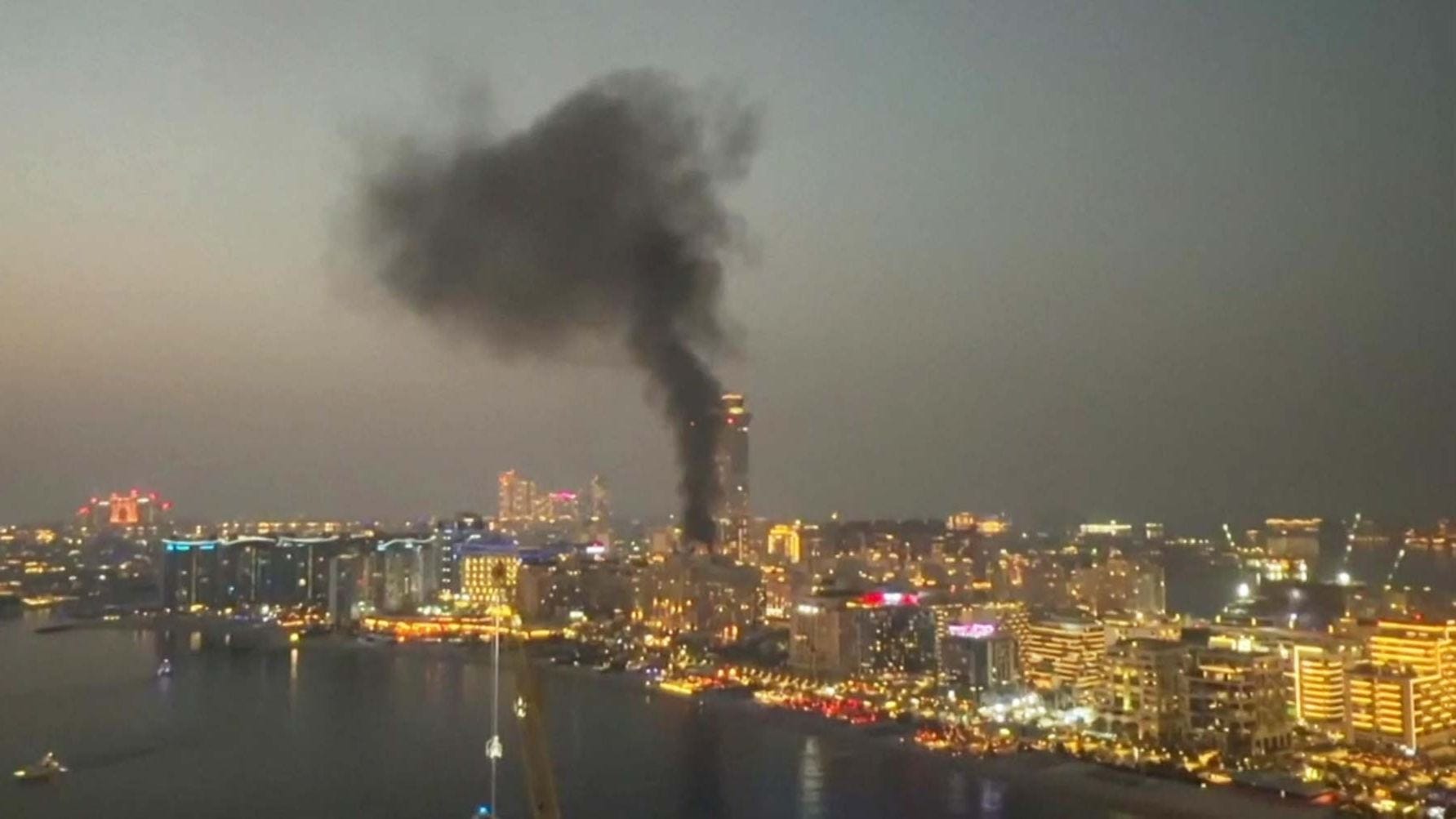
That began changing somewhere around the middle of last decade.
DJI introduced the world’s first wide-market consumer drone, the Phantom at CES in 2013.
And that changed everything.
The defense industry began pursuing small, loitering munitions.
By October, drone operators were buzzing world leaders with the drones. These were relatively benign, but demonstrated that the tech could be coopted and weaponized for attacks.
Terror groups in the Middle East seized on the technologies quickly. Lebanese Hezbollah—which h…
